

To start on a personal, slightly selfish note, Covid-19 has almost destroyed some of the extra-curricular activities I enjoy participating in with students. Since March, three of the Model UN conferences we usually attend have been cancelled. AproMUN in Bratislava did go ahead in September, but in a diminished form. And we have lost MarMUN 2021 to the virus. It’s a similar story with language-related activities ; for example, not being able to gather at school means there has been no ‘Noc jazykov’ this term.
Still, we decided to go ahead with Olympiada. Since much of this competition consists of a written language test, it is easily realisable online. The same is true of the speaking part, especially now that students and teachers have become accustomed to interacting on Google Meet. However, for those same reasons, I did wonder what the level of interest would be, or if there would be interest at all. If I was a student having to cope with a lot of compulsory screen time, I’m not sure I would be enthusiastic about participating in an online competition.
At our school, nearly all the students qualify for the 2C1 level of the English Olympiada. It means that they have more lessons per week in English than the state prescribes to ‘normal’ secondary schools, but that they have not spent an extended period of time in an English-speaking country and do not have a parent or close relative who speaks English as a first language. Unfortunately, there is no age division. In my opinion, two separate competitions, one for (say) first and second year bilingual school students and another for the third year and above, would be a welcome development.
As to this year’s school round, English teachers nominated likely candidates in their classes and these students were invited to participate. In total, nine took part in the first round, which was the written test, and the four with the best scores progressed to the speaking task the following week (November 23rd). The standard was good, considering the demands of this level and the fact that we used an old test from the regional round. All participants scored at least 60% ; the equivalent in a Cambridge Advanced English test (for example) would see them gain a C1 level certificate.
There was only a single point dividing the first four students, and all four did very well in the speaking task. This is typically how it goes in the Olympiada in all rounds ; two years ago, our student in the regional round finished second, half a point behind the winner. Two years before that, our representative finished fourth, still just one point behind the winner. The tiniest details can be important.
Anyway, I would like to thank my colleagues for their help in nominating and encouraging students. Much appreciation and admiration too to those who participated. The standards they produced made the competition worth organising. With the Covid situation as it is, we have no way of knowing how the Olympiada will proceed in the following rounds. However, I trust that Alexandra Vojčická, our school round winner, will have another chance to show her skills, whether in person or online.
1st – Alexandra Vojčická (IV.BG)
2nd – Klára Košíková (IV.AG)
2nd – Alexandra Rusnáková (III.AG)
2nd – Terézia Kacianová (III.AG)
Participants
Alexandra Gardasova (III.BG)
Ján Stehlik (IV.BG)
Rastislav Nemec (III.BG)
Viktória Vandlíková (III.BG)
Zuzana Buľovská (II.BG)
James Baxter
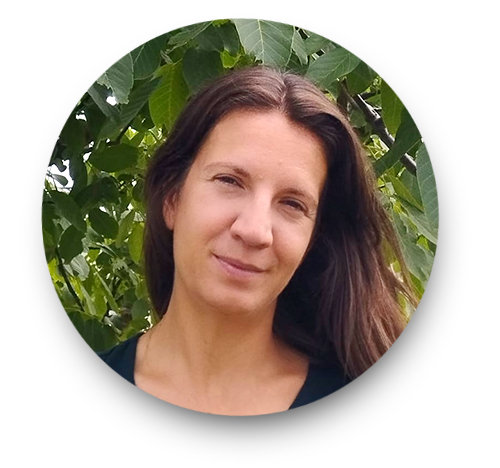 Moniku Majdišovú na našej škole doteraz pôsobila ako vychovávateľka v školskom klube detí. Od septembra jej aj sociálna pedagogička.
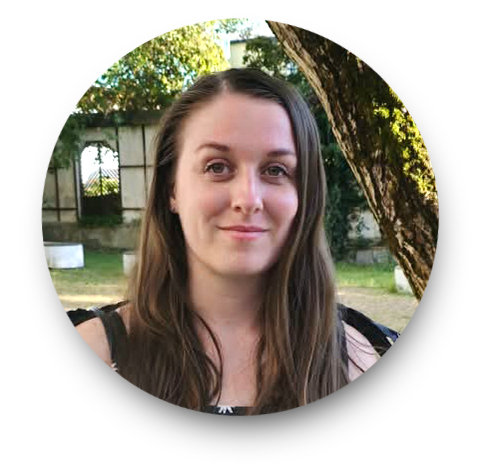 Od tohto školského roka rozširuje náš podporný tím Mgr. Michaela Buková, ktorá bude na škole pôsobiť ako školská psychologička.
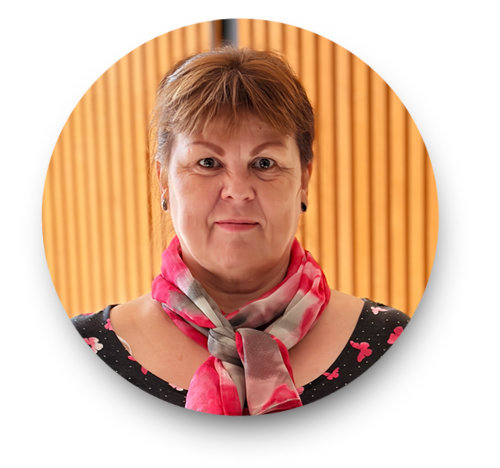 Hudba, vzdelávanie a kultúra ma sprevádzajú počas celého môjho profesijného života. Som učiteľka hudby a klavíra, hudobníčka a sprievodkyňa cestovného ruchu, pričom rada prepájam svoje pedagogické skúsenosti so záujmom o históriu a kultúrne dedičstvo.
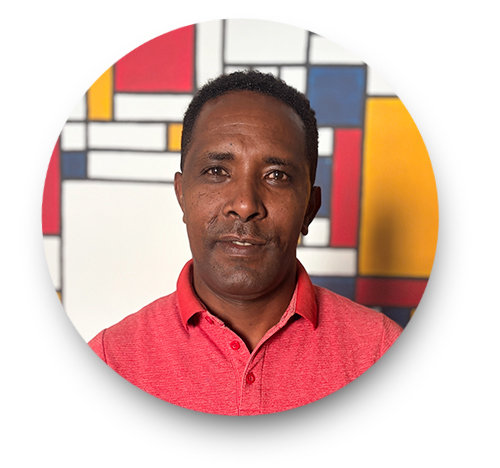 Náš učiteľský tím rozšíri Yosef Bayeh Yimer, PhD., ktorý bude na našom gymnáziu učiť chémiu. Yosef pochádza z Etiópie a svoje skúsenosti a odborné znalosti teraz prináša aj do našej školskej komunity.
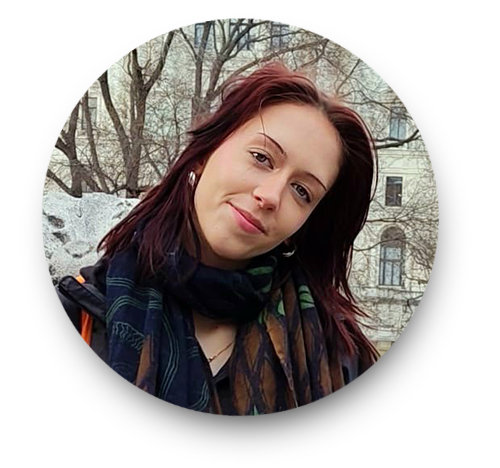 Na našej škole bude od septembra pôsobiť nová dobrovoľníčka – Alma Schmidt z nemeckého Lipska. Alma sa už dlhšie chce stať učiteľkou, a preto sa rozhodla vyskúšať si prácu v školstve ešte pred nástupom na vysokú školu. Počas jedného školského roka bude u nás pomáhať na hodinách angličtiny a nemčiny a popri tom sa bude učiť aj po slovensky.
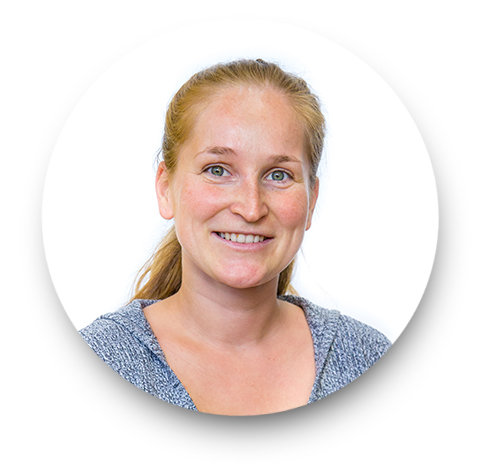 Na našu školu sa vracia Mgr. Viera Bargárová, ktorá bude učiť náboženstvo prvákov a druhákov na našom gymnáziu. Pochádza z Tisovca, má 41 rokov a 13 ročnú pedagogickú prax. S manželom Vratkom majú tri deti Timka, Timku a Tamarku. Môžete ju bežne stretnúť v kostole alebo na bicykli s rodinkou na ihriskách. „Teším sa na mojich nových žiakov ako spoločne budeme spoznávať Živého Trojjdediného Boha, Jeho úžasné diela a skutky v životoch ľudí, v prírode, minulosti ale aj v našej prítomnosti!“